Canto XIV. Psalms of About Thirty Verses
CANTO XIV
PSALM OF ABOUT THIRTY VERSES
LXXI
Subhā of Jīvaka's Mango-grove. 388
SHE too, having made her resolve under former Buddhas, and heaping up good of age-enduring efficacy in this and that rebirth, fostering the root of good and perfecting the conditions for emancipation through the ripening of her knowledge, was in this Buddha-era reborn at Rājagaha, in the family of a very eminent brahmin. Her name was Subhā, and truly lovely was her body in all its members. It was for this reason that she came to be so called. While the Master sojourned at Rājagaha, she received faith and became a lay-disciple. Later she grew anxious over the round of life, and saw the bane of the pleasures of sense, and discerned that safety lay in renunciation. She entered the Order under the Great Pajāpatī the Gotamid, and exercising herself in insight, was soon established in the fruition of the Path of No-return.
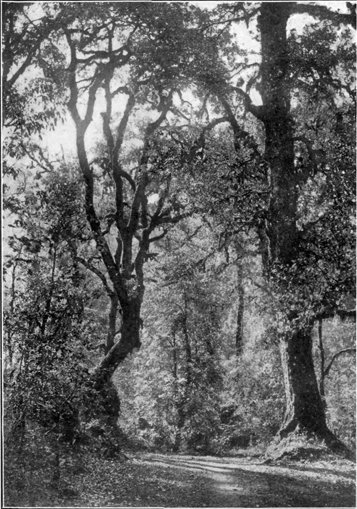
Now one day a certain libertine of Rājagaha, in the prime of youth, was standing in the Jīvaka Mango-grove, and saw her going to siesta; and feeling enamoured, he barred her way, soliciting her to sensual pleasures. She declared to him by many instances the bane of sensuous pleasures and her own choice of renunciation, teaching him the Norm. Even then he was not cured, but persisted. The Therī, not stopping short at her own words, and seeing his passion for the beauty of her eyes, extracted one of them, and handed it to him, saying: 'Come, then! here is the offending eye of her!' Thereat the man was horrified and appalled and, his lust all gone, asked her forgiveness. The Therī went to the Master's presence, and there, at sight of Him, her eye became as it was before. Thereat she stood vibrating with unceasing joy at the Buddha. The Master, knowing the state of her mind, taught her, and showed her exercise for reaching the highest. Repressing her joy, she developed insight, and attained Arahantship, together with thorough grasp of the Norm in form and meaning. Thereafter, abiding in the bliss and fruition of Nibbana, she, reflecting on what she had won, uttered her dialogue with the libertine in these verses: