
A Hundred Verses from Old Japan
104 chapters English Public domain
About this book
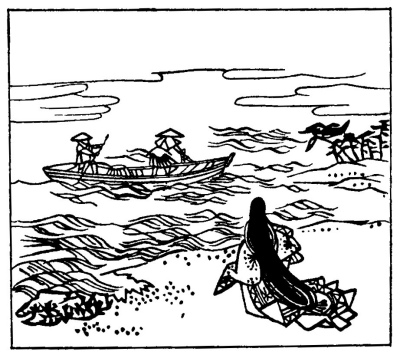
This is a collection of 100 specimens of Japanese Tanka poetry collected in the 13th Century C.E., with some of the poems dating back to the 7th Centry. Tanka is a 31 syllable format in the pattern 5-7-5-7-7. Most of these poems were written about the time of the Norman Conquest and display a sophistication that western literature would not achieve for a long time thereafter. These little gems are on themes such as nature, the round of the seasons, the impermanence of life, and the vicissitudes of love. There are obvious Buddhist and Shinto influences throughout. Porter's notes put the poems into a cultural and historical context. Each poem is illustrated in this edition with an 18th century Japanese woodcut by an anonymous illustrator.
Table of contents
104 chapters
76 73. The Assistant Imperial Adviser Masafusa: Gon Chū-nagon Masafusa 77 74. The Minister Toshi-yori Minamoto: Minamoto no Toshi-yori Ason 78 75. Mototoshi Fujiwara: Fujiwara no Mototoshi 79 76. The Late Regent and Prime Minister, the Lay Priest of the Hōshō Temple: Hōshō-ji Nyūdō Saki no Kwambaku Daijōdaijin 80 77. The Retired Emperor Sutoku: Sutoku In 81 78. Kanemasa Minamoto: Minamoto no Kanemasa 82 79. The Shinto Official Aki-suke, of the Left Side of the Capital: Sakyō no Taiu Aki-suke 83 80. Lady Horikawa, in Attendance on the Dowager Empress Taiken: Taiken Mon-in Horikawa 84 81. The Minister-of-the-Left of the Tokudai Temple: Go Tokudai-ji Sadaijin 85 82. The Priest Dō-in: Dō-in Hoshi 86 83. Toshi-Nari, A Shinto Official in Attendance on the Empress Dowager: Kwō-tai-kōgū no Taiu Toshi-nari 87 84. The Minister Kiyo-suke Fujiwara: Fujiwara No Kiyo-suke Ason 88 85. The Priest Shun-ye: Shun-ye Hōshi 89 86. The Priest Saigyō: Saigyō Hōshi 90 87. The Priest Jaku-ren: Jaku-ren Hōshi 91 88. An Official of the Dowager Empress Kwōka: Kwōka Mon-in no Betto 92 89. Princess Shikishi: Shikishi Naishinnō 93 90. The Chief Vice-Official in Attendance on the Dowager Empress Impu: Impu Mon-in no Ōsuke 94 91. The Regent and Former Prime Minister Go-kyō-goku: Go-kyō-goku Sesshō Saki no Daijōdaijin 95 92. Sanuki, in Attendance on the Retired Emperor Nijō: Nijō In Sanuki 96 93. The Minister of the Right District of Kamakura: Kamakura Udaijin 97 94. The Privy Councillor Masatsune: Sangi Masatsune 98 95. The Former Archbishop Jiyen: Saki No Daisōjō Jiyen 99 96. The Lay-Priest, a Former Prime Minister of State: Nyūdō Saki Daijōdaijin 100 97. The Assistant Imperial Adviser Sada-iye: Gon Chu-Nagon Sada-iye
Audiobook
Listen to this edition
Audiobooks are coming soon
Narrated editions will appear here when they are ready to listen.
Membership
Support the archive
$10 / month
Ad-free reading experience
1,000 Credits monthly for Search usage
Unlimited bookmarks
Unlimited highlights & annotations
Helps fund new texts & growth
Cancel anytime. Helps us pay the bills.
Discussion
Community conversation
Discussions are coming soon
Join conversations around this text and its interpretations.
A Hundred Verses from Old Japan
104 chapters English Public domain
About this book
This is a collection of 100 specimens of Japanese Tanka poetry collected in the 13th Century C.E., with some of the poems dating back to the 7th Centry. Tanka is a 31 syllable format in the pattern 5-7-5-7-7. Most of these poems were written about the time of the Norman Conquest and display a sophistication that western literature would not achieve for a long time thereafter. These little gems are on themes such as nature, the round of the seasons, the impermanence of life, and the vicissitudes of love. There are obvious Buddhist and Shinto influences throughout. Porter's notes put the poems into a cultural and historical context. Each poem is illustrated in this edition with an 18th century Japanese woodcut by an anonymous illustrator.
Table of contents
104 chapters
76 73. The Assistant Imperial Adviser Masafusa: Gon Chū-nagon Masafusa 77 74. The Minister Toshi-yori Minamoto: Minamoto no Toshi-yori Ason 78 75. Mototoshi Fujiwara: Fujiwara no Mototoshi 79 76. The Late Regent and Prime Minister, the Lay Priest of the Hōshō Temple: Hōshō-ji Nyūdō Saki no Kwambaku Daijōdaijin 80 77. The Retired Emperor Sutoku: Sutoku In 81 78. Kanemasa Minamoto: Minamoto no Kanemasa 82 79. The Shinto Official Aki-suke, of the Left Side of the Capital: Sakyō no Taiu Aki-suke 83 80. Lady Horikawa, in Attendance on the Dowager Empress Taiken: Taiken Mon-in Horikawa 84 81. The Minister-of-the-Left of the Tokudai Temple: Go Tokudai-ji Sadaijin 85 82. The Priest Dō-in: Dō-in Hoshi 86 83. Toshi-Nari, A Shinto Official in Attendance on the Empress Dowager: Kwō-tai-kōgū no Taiu Toshi-nari 87 84. The Minister Kiyo-suke Fujiwara: Fujiwara No Kiyo-suke Ason 88 85. The Priest Shun-ye: Shun-ye Hōshi 89 86. The Priest Saigyō: Saigyō Hōshi 90 87. The Priest Jaku-ren: Jaku-ren Hōshi 91 88. An Official of the Dowager Empress Kwōka: Kwōka Mon-in no Betto 92 89. Princess Shikishi: Shikishi Naishinnō 93 90. The Chief Vice-Official in Attendance on the Dowager Empress Impu: Impu Mon-in no Ōsuke 94 91. The Regent and Former Prime Minister Go-kyō-goku: Go-kyō-goku Sesshō Saki no Daijōdaijin 95 92. Sanuki, in Attendance on the Retired Emperor Nijō: Nijō In Sanuki 96 93. The Minister of the Right District of Kamakura: Kamakura Udaijin 97 94. The Privy Councillor Masatsune: Sangi Masatsune 98 95. The Former Archbishop Jiyen: Saki No Daisōjō Jiyen 99 96. The Lay-Priest, a Former Prime Minister of State: Nyūdō Saki Daijōdaijin 100 97. The Assistant Imperial Adviser Sada-iye: Gon Chu-Nagon Sada-iye
Audiobook
Listen to this edition
Audiobooks are coming soon
Narrated editions will appear here when they are ready to listen.
Membership
Support the archive
$10 / month
Ad-free reading experience
1,000 Credits monthly for Search usage
Unlimited bookmarks
Unlimited highlights & annotations
Helps fund new texts & growth
Cancel anytime. Helps us pay the bills.
Discussion
Community conversation
Discussions are coming soon
Join conversations around this text and its interpretations.

The archive, offline Own the Wisdom of the Ages Every text in the library on a single USB drive. Read offline, cite freely, keep forever. No subscription required.
Get the drive $127.00
A Hundred Verses from Old Japan
104 chapters English Public domain
About this book
This is a collection of 100 specimens of Japanese Tanka poetry collected in the 13th Century C.E., with some of the poems dating back to the 7th Centry. Tanka is a 31 syllable format in the pattern 5-7-5-7-7. Most of these poems were written about the time of the Norman Conquest and display a sophistication that western literature would not achieve for a long time thereafter. These little gems are on themes such as nature, the round of the seasons, the impermanence of life, and the vicissitudes of love. There are obvious Buddhist and Shinto influences throughout. Porter's notes put the poems into a cultural and historical context. Each poem is illustrated in this edition with an 18th century Japanese woodcut by an anonymous illustrator.
Table of contents
104 chapters
76 73. The Assistant Imperial Adviser Masafusa: Gon Chū-nagon Masafusa 77 74. The Minister Toshi-yori Minamoto: Minamoto no Toshi-yori Ason 78 75. Mototoshi Fujiwara: Fujiwara no Mototoshi 79 76. The Late Regent and Prime Minister, the Lay Priest of the Hōshō Temple: Hōshō-ji Nyūdō Saki no Kwambaku Daijōdaijin 80 77. The Retired Emperor Sutoku: Sutoku In 81 78. Kanemasa Minamoto: Minamoto no Kanemasa 82 79. The Shinto Official Aki-suke, of the Left Side of the Capital: Sakyō no Taiu Aki-suke 83 80. Lady Horikawa, in Attendance on the Dowager Empress Taiken: Taiken Mon-in Horikawa 84 81. The Minister-of-the-Left of the Tokudai Temple: Go Tokudai-ji Sadaijin 85 82. The Priest Dō-in: Dō-in Hoshi 86 83. Toshi-Nari, A Shinto Official in Attendance on the Empress Dowager: Kwō-tai-kōgū no Taiu Toshi-nari 87 84. The Minister Kiyo-suke Fujiwara: Fujiwara No Kiyo-suke Ason 88 85. The Priest Shun-ye: Shun-ye Hōshi 89 86. The Priest Saigyō: Saigyō Hōshi 90 87. The Priest Jaku-ren: Jaku-ren Hōshi 91 88. An Official of the Dowager Empress Kwōka: Kwōka Mon-in no Betto 92 89. Princess Shikishi: Shikishi Naishinnō 93 90. The Chief Vice-Official in Attendance on the Dowager Empress Impu: Impu Mon-in no Ōsuke 94 91. The Regent and Former Prime Minister Go-kyō-goku: Go-kyō-goku Sesshō Saki no Daijōdaijin 95 92. Sanuki, in Attendance on the Retired Emperor Nijō: Nijō In Sanuki 96 93. The Minister of the Right District of Kamakura: Kamakura Udaijin 97 94. The Privy Councillor Masatsune: Sangi Masatsune 98 95. The Former Archbishop Jiyen: Saki No Daisōjō Jiyen 99 96. The Lay-Priest, a Former Prime Minister of State: Nyūdō Saki Daijōdaijin 100 97. The Assistant Imperial Adviser Sada-iye: Gon Chu-Nagon Sada-iye
Audiobook
Listen to this edition
Audiobooks are coming soon
Narrated editions will appear here when they are ready to listen.
Membership
Support the archive
$10 / month
Ad-free reading experience
1,000 Credits monthly for Search usage
Unlimited bookmarks
Unlimited highlights & annotations
Helps fund new texts & growth
Cancel anytime. Helps us pay the bills.
Discussion
Community conversation
Discussions are coming soon
Join conversations around this text and its interpretations.