
Illustrations of Masonry
21 chapters English Public domain
About this book
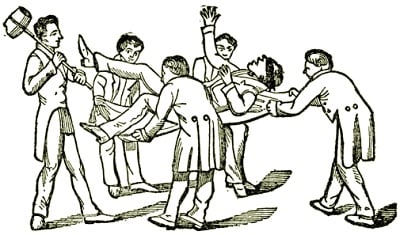
This book has a controversial backstory which is part of the mythology of anti-Freemasonry. 'Captain' William Morgan, the author, was a disappointed Freemason in Batavia, New York. Rejected by the local lodge, he announced that he was going to publish a work exposing Masonic rituals and secrets. Shortly before publication in 1826, he disappeared, and three Masons were later convicted of kidnapping him. Although claims were made that Morgan had been murdered, some say that he was forced to leave the US. Either way, it was good publicity for this book, which was published in 1827, but bad for the Masons. The incident led to widespread protests against Freemasons in the US, and eventually an anti-Masonic Party, which at its height in 1832 got seven electoral votes for William Wirt for President.
So why read this book? Stripped of the fevered historical background, and ignoring the publisher's antimasonic introduction, this becomes simply one of the first published accounts of US Freemasonry in the early 19th century. It seems accurate, based on other published Monitors, such as Ducan's. At this perspective, Illustrations is no more offensive than Robert's Rules of Order, although it makes more interesting reading.
Table of contents
21 chapters
01 Start Reading 02 Page Index 03 Verso 04 Introduction 05 Opening the Lodge 06 First Degree Initiation 07 Closing the Lodge 08 First Section of the Lecture on the First Degree 09 Second Section of the Lecture on the First Degree 10 Third Section of the Lecture on the First Degree 11 Second or Fellow Craft Degree Initiation 12 First Section of the Fellow Craft Mason Lecture 13 Second Section of the Fellow Craft Mason Lecture 14 Third, or Master Mason's Degree 15 First Section of the Master Mason Lecture. 16 Second Section of the Master Mason Lecture. 17 Second Section of the Master Mason Lecture 18 Entered Apprentice Degree 19 Fellow Craft Degree 20 Master Mason's Degree 21 Special Pages: Errata
Audiobook
Listen to this edition
Audiobooks are coming soon
Narrated editions will appear here when they are ready to listen.
Membership
Support the archive
$10 / month
Helps fund new texts & growth
Unlimited highlights & annotations
Unlimited bookmarks
Ad free reading experience
Early access to new features
Early access to quality TTS Audiobooks
Priority support & feature requests
4,000 Points monthly for Search usage
Access to point system rewards and value
Cancel anytime. Helps us pay the bills.
Discussion
Community conversation
Discussions are coming soon
Join conversations around this text and its interpretations.
Illustrations of Masonry
21 chapters English Public domain
About this book
This book has a controversial backstory which is part of the mythology of anti-Freemasonry. 'Captain' William Morgan, the author, was a disappointed Freemason in Batavia, New York. Rejected by the local lodge, he announced that he was going to publish a work exposing Masonic rituals and secrets. Shortly before publication in 1826, he disappeared, and three Masons were later convicted of kidnapping him. Although claims were made that Morgan had been murdered, some say that he was forced to leave the US. Either way, it was good publicity for this book, which was published in 1827, but bad for the Masons. The incident led to widespread protests against Freemasons in the US, and eventually an anti-Masonic Party, which at its height in 1832 got seven electoral votes for William Wirt for President.
So why read this book? Stripped of the fevered historical background, and ignoring the publisher's antimasonic introduction, this becomes simply one of the first published accounts of US Freemasonry in the early 19th century. It seems accurate, based on other published Monitors, such as Ducan's. At this perspective, Illustrations is no more offensive than Robert's Rules of Order, although it makes more interesting reading.
Table of contents
21 chapters
01 Start Reading 02 Page Index 03 Verso 04 Introduction 05 Opening the Lodge 06 First Degree Initiation 07 Closing the Lodge 08 First Section of the Lecture on the First Degree 09 Second Section of the Lecture on the First Degree 10 Third Section of the Lecture on the First Degree 11 Second or Fellow Craft Degree Initiation 12 First Section of the Fellow Craft Mason Lecture 13 Second Section of the Fellow Craft Mason Lecture 14 Third, or Master Mason's Degree 15 First Section of the Master Mason Lecture. 16 Second Section of the Master Mason Lecture. 17 Second Section of the Master Mason Lecture 18 Entered Apprentice Degree 19 Fellow Craft Degree 20 Master Mason's Degree 21 Special Pages: Errata
Audiobook
Listen to this edition
Audiobooks are coming soon
Narrated editions will appear here when they are ready to listen.
Membership
Support the archive
$10 / month
Helps fund new texts & growth
Unlimited highlights & annotations
Unlimited bookmarks
Ad free reading experience
Early access to new features
Early access to quality TTS Audiobooks
Priority support & feature requests
4,000 Points monthly for Search usage
Access to point system rewards and value
Cancel anytime. Helps us pay the bills.
Discussion
Community conversation
Discussions are coming soon
Join conversations around this text and its interpretations.

The archive, offline Own the Wisdom of the Ages Every text in the library on a single USB drive. Read offline, cite freely, keep forever. No subscription required.
Get the drive $127.00
Illustrations of Masonry
21 chapters English Public domain
About this book
This book has a controversial backstory which is part of the mythology of anti-Freemasonry. 'Captain' William Morgan, the author, was a disappointed Freemason in Batavia, New York. Rejected by the local lodge, he announced that he was going to publish a work exposing Masonic rituals and secrets. Shortly before publication in 1826, he disappeared, and three Masons were later convicted of kidnapping him. Although claims were made that Morgan had been murdered, some say that he was forced to leave the US. Either way, it was good publicity for this book, which was published in 1827, but bad for the Masons. The incident led to widespread protests against Freemasons in the US, and eventually an anti-Masonic Party, which at its height in 1832 got seven electoral votes for William Wirt for President.
So why read this book? Stripped of the fevered historical background, and ignoring the publisher's antimasonic introduction, this becomes simply one of the first published accounts of US Freemasonry in the early 19th century. It seems accurate, based on other published Monitors, such as Ducan's. At this perspective, Illustrations is no more offensive than Robert's Rules of Order, although it makes more interesting reading.
Table of contents
21 chapters
01 Start Reading 02 Page Index 03 Verso 04 Introduction 05 Opening the Lodge 06 First Degree Initiation 07 Closing the Lodge 08 First Section of the Lecture on the First Degree 09 Second Section of the Lecture on the First Degree 10 Third Section of the Lecture on the First Degree 11 Second or Fellow Craft Degree Initiation 12 First Section of the Fellow Craft Mason Lecture 13 Second Section of the Fellow Craft Mason Lecture 14 Third, or Master Mason's Degree 15 First Section of the Master Mason Lecture. 16 Second Section of the Master Mason Lecture. 17 Second Section of the Master Mason Lecture 18 Entered Apprentice Degree 19 Fellow Craft Degree 20 Master Mason's Degree 21 Special Pages: Errata
Audiobook
Listen to this edition
Audiobooks are coming soon
Narrated editions will appear here when they are ready to listen.
Membership
Support the archive
$10 / month
Helps fund new texts & growth
Unlimited highlights & annotations
Unlimited bookmarks
Ad free reading experience
Early access to new features
Early access to quality TTS Audiobooks
Priority support & feature requests
4,000 Points monthly for Search usage
Access to point system rewards and value
Cancel anytime. Helps us pay the bills.
Discussion
Community conversation
Discussions are coming soon
Join conversations around this text and its interpretations.