
History of Philosophy in Islam
29 chapters English Public domain
About this book
Islam in the first four centuries, ... was inclined to take into its possession not only the outward advantages of the world, but also the intellectual acquisitions of Mankind. (p. 71).
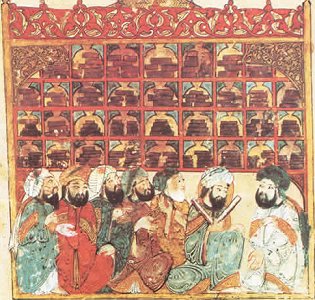
This is a well-written and authoritative review of the history of Islamic philosophy during the middle ages. Medieval Islamic civilization at its height was a center of learning, and its philosophers were no exception. Islamic philosophers grappled with issues such as free-will, causality and the nature of reality. Some of these figures are still well-known, such as Ibn Sina (Avicenna), Ibn Roshd (Averroes), the Sufi Gazali, and Kindi.
These thinkers drew on many sources, including Indian philosophy (such as the Upanishads) and the ancient Greek philosophers, particularly Aristotle, whose works were considered the highest authority. In turn, Aristotelianism was picked up by by the Catholic Church and virtually enshrined as doctrine, particularly in the realm of natural science. This endured until the experimental method was used to test Aristotle in the renaissance, and his dominance was overthrown.
Table of contents
29 chapters
Audiobook
Listen to this edition
Audiobooks are coming soon
Narrated editions will appear here when they are ready to listen.
Membership
Support the archive
$10 / month
Helps fund new texts & growth
Unlimited highlights & annotations
Unlimited bookmarks
Ad free reading experience
Early access to new features
Early access to quality TTS Audiobooks
Priority support & feature requests
4,000 Points monthly for Search usage
Access to point system rewards and value
Cancel anytime. Helps us pay the bills.
Discussion
Community conversation
Discussions are coming soon
Join conversations around this text and its interpretations.
History of Philosophy in Islam
29 chapters English Public domain
About this book
Islam in the first four centuries, ... was inclined to take into its possession not only the outward advantages of the world, but also the intellectual acquisitions of Mankind. (p. 71).
This is a well-written and authoritative review of the history of Islamic philosophy during the middle ages. Medieval Islamic civilization at its height was a center of learning, and its philosophers were no exception. Islamic philosophers grappled with issues such as free-will, causality and the nature of reality. Some of these figures are still well-known, such as Ibn Sina (Avicenna), Ibn Roshd (Averroes), the Sufi Gazali, and Kindi.
These thinkers drew on many sources, including Indian philosophy (such as the Upanishads) and the ancient Greek philosophers, particularly Aristotle, whose works were considered the highest authority. In turn, Aristotelianism was picked up by by the Catholic Church and virtually enshrined as doctrine, particularly in the realm of natural science. This endured until the experimental method was used to test Aristotle in the renaissance, and his dominance was overthrown.
Table of contents
29 chapters
Audiobook
Listen to this edition
Audiobooks are coming soon
Narrated editions will appear here when they are ready to listen.
Membership
Support the archive
$10 / month
Helps fund new texts & growth
Unlimited highlights & annotations
Unlimited bookmarks
Ad free reading experience
Early access to new features
Early access to quality TTS Audiobooks
Priority support & feature requests
4,000 Points monthly for Search usage
Access to point system rewards and value
Cancel anytime. Helps us pay the bills.
Discussion
Community conversation
Discussions are coming soon
Join conversations around this text and its interpretations.

The archive, offline Own the Wisdom of the Ages Every text in the library on a single USB drive. Read offline, cite freely, keep forever. No subscription required.
Get the drive $127.00
History of Philosophy in Islam
29 chapters English Public domain
About this book
Islam in the first four centuries, ... was inclined to take into its possession not only the outward advantages of the world, but also the intellectual acquisitions of Mankind. (p. 71).
This is a well-written and authoritative review of the history of Islamic philosophy during the middle ages. Medieval Islamic civilization at its height was a center of learning, and its philosophers were no exception. Islamic philosophers grappled with issues such as free-will, causality and the nature of reality. Some of these figures are still well-known, such as Ibn Sina (Avicenna), Ibn Roshd (Averroes), the Sufi Gazali, and Kindi.
These thinkers drew on many sources, including Indian philosophy (such as the Upanishads) and the ancient Greek philosophers, particularly Aristotle, whose works were considered the highest authority. In turn, Aristotelianism was picked up by by the Catholic Church and virtually enshrined as doctrine, particularly in the realm of natural science. This endured until the experimental method was used to test Aristotle in the renaissance, and his dominance was overthrown.
Table of contents
29 chapters
Audiobook
Listen to this edition
Audiobooks are coming soon
Narrated editions will appear here when they are ready to listen.
Membership
Support the archive
$10 / month
Helps fund new texts & growth
Unlimited highlights & annotations
Unlimited bookmarks
Ad free reading experience
Early access to new features
Early access to quality TTS Audiobooks
Priority support & feature requests
4,000 Points monthly for Search usage
Access to point system rewards and value
Cancel anytime. Helps us pay the bills.
Discussion
Community conversation
Discussions are coming soon
Join conversations around this text and its interpretations.